




A well-wrapped stick is immediately noticeable after the first contact with the puck. Hockey stick tape isn't a trinket thrown into your bag for good measure, but a component that truly impacts your grip, control, and equipment's longevity. If you play regularly, you'll quickly notice the difference between a randomly chosen tape and one that suits your position, playing style, and training conditions.
Details matter in hockey. Some players seek improved feel on the blade, others want to reduce stick abrasion, and still others simply don't want their grip slipping in their glove during a powerful shot. Each of these reasons is valid, but it's best to base your choice of tape not on the habits of a teammate in the locker room, but on how you actually use your stick.
Hockey Stick Tape - Why Apply It?
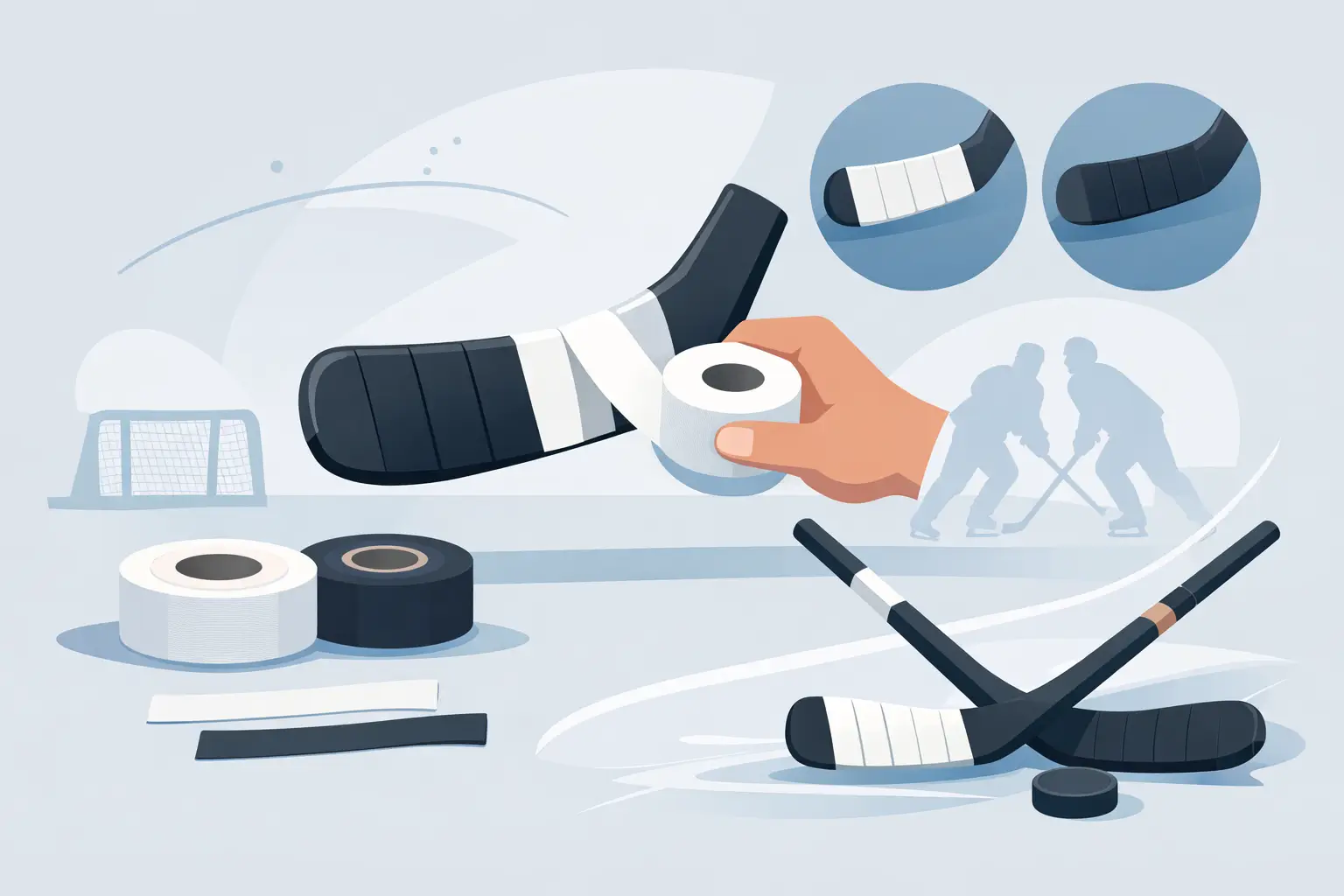
The two most common areas for tape are the blade and the top of the shaft. The purpose is different in each case. On the blade, tape improves contact with the puck, aids in receiving passes, and partially protects the surface from rapid wear. On the shaft, it increases grip security, which is especially important when the gloves are damp, training is intense, or you play a lot on the rink.
Not all tape works the same. Classic cloth tape provides good friction and a strong grip, but it wears out faster than some people think, especially with frequent training. More moisture- or abrasion-resistant versions, on the other hand, are more durable, but their feel isn't to everyone's liking. In practice, there's no single best solution for everyone.
It's also worth remembering that tape won't fix a poorly fitted stick. It won't change the flex, adjust the length, or transform a worn blade into a new model. However, it can improve the feel when handling the puck and shooting, and in everyday use, that makes a big difference.
Which Hockey Stick Tape Works Best?
The basic choice involves material, width, and adhesive. Cloth tape is most often used in hockey because it holds well, is easy to adjust, and allows for precise wrapping of both the blade and the handle. This is a safe and proven approach for most players – from junior to senior.
Width matters more than you might think. Narrower tape provides more control when precisely wrapping the tip of the blade and the areas that work hardest when contacting the puck. Wider tape speeds up application and can be more convenient for players who want to do it quickly before practice. If you change your grip frequently, it's not only the end result that matters, but also the pace of work.
Adhesive also makes a difference. Too weak will come off with moisture and friction. Too aggressive can leave residue, make changing the tape difficult, and make removing the old tape simply irritating. Good tape should hold firmly in play but be replaceable without having to fight the adhesive all over the locker room.
Color is more a matter of preference than performance, although some players emphasize the visibility of the puck on the blade. Dark tape is often chosen for appearance and familiarity. Lighter tape can make it easier to assess the level of wear and tear and more quickly show where the blade is working hardest. It's a detail, but it's important for some players.
Paddle Tape vs. Grip Tape
Not every product needs to be used on both surfaces. Abrasion resistance and a good feel for the puck are most important on the blade. Hand comfort and the stick's ability to rotate while gloved when shooting and passing are more important on the upper shaft.
If you play offensively and handle the puck a lot, you'll usually wear out the blade tape faster than the grip tape. If, on the other hand, you value a strong grip and dynamic contact, you can adjust the shaft tape more often. The choice shouldn't be automatic – the point of wear reveals where the equipment works hardest.
How to Choose Tape for Your Position and Playing Style
A striker often seeks a quick feel for the puck and precision with a short decision time. In this case, tape that provides a firm contact with the blade and doesn't become too heavy after a few training sessions works well. If you play a lot near the boards and often compete for the puck, durability becomes just as important as feel.
A defender typically uses their stick harder when blocking, knocking the puck out, and playing physically. In this case, the tape needs to be more durable and, ideally, also limit rapid wear and tear on the lower part of the blade. The idea isn't to wrap the stick thicker at all costs. Too many layers can impair contact with the puck and alter the feel of the blade.
Goalkeepers have different needs. In their case, the specifics of their grip and individual preferences related to puck control and stick control with the glove are crucial. The tape shouldn't be obstructive, but it should provide stability. This is particularly evident in that the best choice is rarely universal.
A younger player or parent assembling equipment for the first time should prioritize ease of use. It's better to choose a proven tape that's easy to apply and apply regularly.
Hockey stick tape affects puck feel, grip, and blade durability. Find out how to choose the right type, width, and wrapping method.
- added: 30-06-2026
- in category Recommendations
 Log in with Facebook
 Log in with Google